Crispy German Potato Pancakes – Easy Recipe
German Potato Pancakes, or Kartoffelpuffer as they’re known in their homeland, are a culinary hug on a plate. There’s something incredibly comforting and universally beloved about these crispy, golden discs of grated potato. What is it about them that captures our hearts (and stomachs)? Perhaps it’s the perfect balance of a delightfully crisp exterior giving way to a tender, savory interior. They’re incredibly versatile, equally at home as a hearty breakfast, a satisfying side dish, or even a simple, yet decadent, main course. Unlike many potato preparations, these German Potato Pancakes offer a unique textural experience that keeps us coming back for more, showcasing the humble potato in a truly star-studded light.
Get ready to master this classic!
Let’s dive into the deliciousness.
German Potato Pancakes
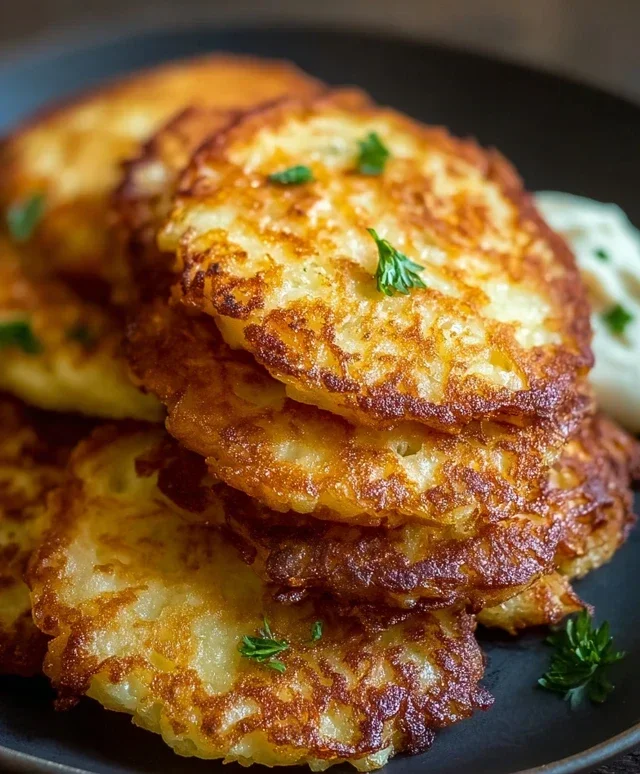
There’s something incredibly comforting and deeply satisfying about a plate piled high with crispy, golden German potato pancakes. Often called Kartoffelpuffer or Reibekuchen, these humble creations are a staple in German cuisine, perfect for breakfast, lunch, or even a hearty snack. They’re deceptively simple to make, yet the results are always impressive, offering a delightful contrast between their crispy exteriors and soft, flavorful interiors. I love making these on a chilly afternoon when the aroma of frying potatoes fills the kitchen; it’s a scent that instantly transports me to a cozy German market. This recipe is my go-to, honed over many batches, and I’m excited to share it with you.
Ingredients:
Cooking Instructions
The journey to perfect potato pancakes begin extracts with preparing the star ingredients. Russet potatoes are my top choice because their high starch content yields the crispiest pancakes. Peeling them is the first step, and then comes the crucial grating. For the best texture, I prefer to use a box grater, with the large holes setting the stage for that signature shred. You can also use a food processor with a grating attachment, but be mindful not to over-process; we’re aiming for distinct strands, not a mush.
Once your potatoes are grated, it’s essential to remove as much excess moisture as possible. This is a vital step for achieving crispiness and preventing soggy pancakes. I usually transfer the grated potatoes to a clean kitchen towel or cheesecloth and wring them out with all my might. The more water you can squeeze out, the better your pancakes will fry. Don’t be alarmed by the amount of liquid you’ll get – it’s completely normal! This moisture is the enemy of crispiness.
Next, we prepare the aromatic foundation. The small yellow onion is finely grated. Just like the potatoes, you want to squeeze out any excess liquid from the grated onion. This might seem like a lot of squeezing, but trust me, it’s worth the effort. The onion adds a wonderful depth of flavor and a subtle sweetness that complements the potatoes beautifully.
In a large bowl, combine the squeezed, grated potatoes and the squeezed, grated onion. Now, it’s time to bring everything together. Add the good pinch of salt and a few grinds of black pepper. Seasoning at this stage is important, as it will infuse throughout the pancakes. Then, sprinkle in the all-purpose flour. The flour acts as a binder, holding all the ingredients together. Finally, pour in the lightly beaten egg. The egg also acts as a binder and contributes to the richness of the pancakes.
Gently mix all the ingredients until just combined. Be careful not to overmix, as this can develop the gluten in the flour and make the pancakes tough. You want a cohesive mixture that will hold its shape when scooped. At this point, you can taste a tiny bit of the raw batter (if you’re comfortable doing so) and adjust the salt and pepper if needed. Remember, the potatoes will mellow slightly when cooked, so err on the side of slightly more seasoned than not.
Now, for the fun part: frying! You’ll need a generous amount of vegetable oil in a large, heavy-bottomed skillet. I like to use about 1/4 inch of oil, and it should be shimmering but not smoking. This is the ideal temperature for achieving that perfect golden-brown crust. Too low a temperature, and your pancakes will absorb too much oil and become greasy. Too high, and they’ll burn on the outside before the inside is cooked through.
Carefully drop spoonfuls of the potato mixture into the hot oil. I typically use about 2 to 3 tablespoons of batter per pancake, flattening them slightly with the back of my spoon to ensure they cook evenly. Don’t overcrowd the pan; fry them in batches to maintain the oil temperature and allow each pancake to develop a beautiful crisp. This also makes them easier to flip.
Frying to Golden Perfection
Let the pancakes cook for about 3 to 4 minutes per side, or until they are deeply golden brown and wonderfully crispy. You’ll see the edges start to crisp up, and a gentle nudge with a spatula should allow them to release from the pan easily. When it’s time to flip, do so carefully, ensuring you don’t splatter hot oil. They should develop a lovely, slightly lacy texture on the surface as they fry.
Once they’re perfectly golden on both sides, use a slotted spatula to remove the potato pancakes from the skillet. Place them on a plate lined with paper towels to drain any excess oil. This step is crucial for maintaining that delightful crispness. Continue frying the remaining batter in batches, adding more oil to the skillet as needed and ensuring it heats up again before adding the next batch.
Serving Suggestions
The classic accompaniments for German potato pancakes are, in my opinion, unbeatable. A generous dollop of tart applesauce is a must for many, its sweetness cutting through the richness of the pancake. For a creamier, tangier contrast, sour cream is equally divine. Some people enjoy a sprinkle of brown sugar for a touch of extra sweetness, or a cooling dollop of yogurt sauce for a lighter, refreshing option. I often serve them with a side of smoked salmon or a fried egg for a more substantial meal.
Enjoy these delicious German potato pancakes warm, fresh from the pan, and savor every crispy, flavorful bite! They are a testament to how simple ingredients can create something truly extraordinary.
Conclusion:
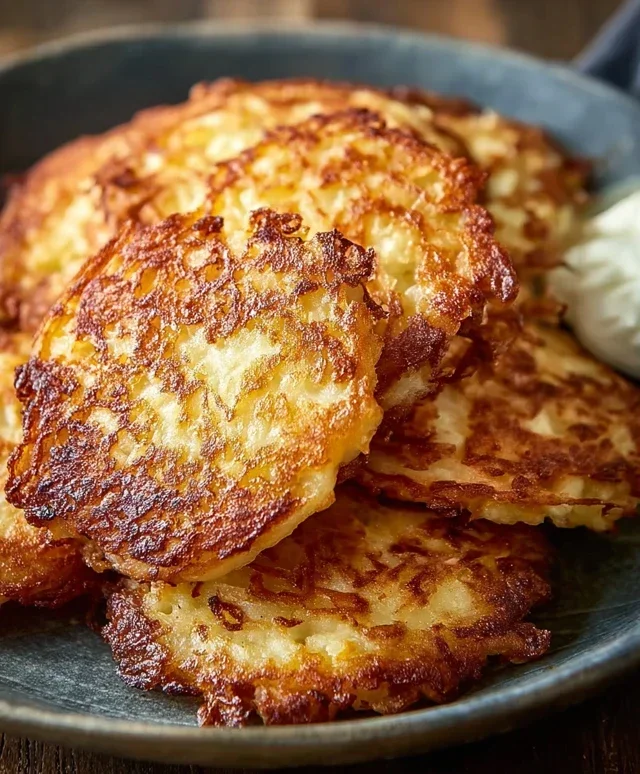
And there you have it – your guide to mastering delicious German Potato Pancakes! We’ve explored a recipe that’s incredibly versatile and surprisingly simple to create, making it a perfect addition to your culinary repertoire. The beauty of these German Potato Pancakes lies in their ability to be a comforting breakfast, a hearty side dish, or even a light lunch. They offer a delightful balance of crispy edges and tender interiors, a testament to the humble potato’s incredible potential.
For serving, the classic accompaniments of applesauce or sour cream are always a winner, providing a sweet or tangy contrast to the savory pancake. However, don’t be afraid to experiment! Consider adding a dollop of Greek yogurt with chives, or even a sprinkle of smoked paprika for a touch of heat. For variations, you can mix in finely chopped onions or a bit of grated cheese directly into the batter for extra flavor. Adding a pinch of nutmeg can also elevate the taste profile. I truly encourage you to give this recipe a try; you might just discover your new favorite comfort food!
Frequently Asked Questions about German Potato Pancakes:
What is the best type of potato to use for German Potato Pancakes?
Starchy potatoes like Russets or Yukon Golds are ideal. Their high starch content helps bind the pancakes together and creates that wonderfully crispy exterior.
Can I make the potato batter ahead of time?
It’s best to make the batter just before cooking. Potatoes can oxidize and turn grey when exposed to air for too long, which can affect the appearance and taste of your German Potato Pancakes.
How do I ensure my potato pancakes are crispy and not soggy?
Ensure you squeeze out as much moisture as possible from the grated potatoes. Also, don’t overcrowd the pan when frying; cook in batches over medium-high heat and drain on paper towels to absorb excess oil.
German Potato Pancakes (Kartoffelpuffer)
Crispy and golden German potato pancakes, a classic comfort food perfect for breakfast, lunch, or a light dinner. Best served with traditional accompaniments.
Ingredients
-
1 pound russet potatoes, peeled
-
1 small yellow onion
-
A good pinch of salt, plus more to taste
-
A few grinds of black pepper
-
3 tablespoons all-purpose flour
-
1 large egg, lightly beaten
-
Vegetable oil for frying
-
Applesauce
-
Sour cream
-
Brown sugar
-
Yogurt sauce
Instructions
-
Step 1
Grate the peeled potatoes and the yellow onion using a box grater or food processor. Place the grated mixture in a clean kitchen towel or cheesecloth and squeeze out as much liquid as possible. Discard the liquid. -
Step 2
Transfer the squeezed potato and onion mixture to a medium bowl. Stir in the salt, black pepper, all-purpose flour, and the lightly beaten egg until well combined. -
Step 3
Heat about 1/4 inch of vegetable oil in a large, heavy-bottomed skillet over medium-high heat until shimmering. -
Step 4
Carefully spoon portions of the potato mixture into the hot oil, flattening them into thin patties with the back of your spoon. Do not overcrowd the pan. -
Step 5
Fry for 3-5 minutes per side, or until golden brown and crispy. Adjust heat as needed to prevent burning. -
Step 6
Remove the cooked potato pancakes from the skillet and place them on a wire rack lined with paper towels to drain any excess oil. Sprinkle with additional salt if desired. -
Step 7
Serve hot with your choice of applesauce, sour cream, brown sugar, or yogurt sauce.
Important Information
Nutrition Facts (Per Serving)
It is important to consider this information as approximate and not to use it as definitive health advice.
Allergy Information
Please check ingredients for potential allergens and consult a health professional if in doubt.