Easy Chimichurri Sauce Recipe – Fresh Herb Flavor
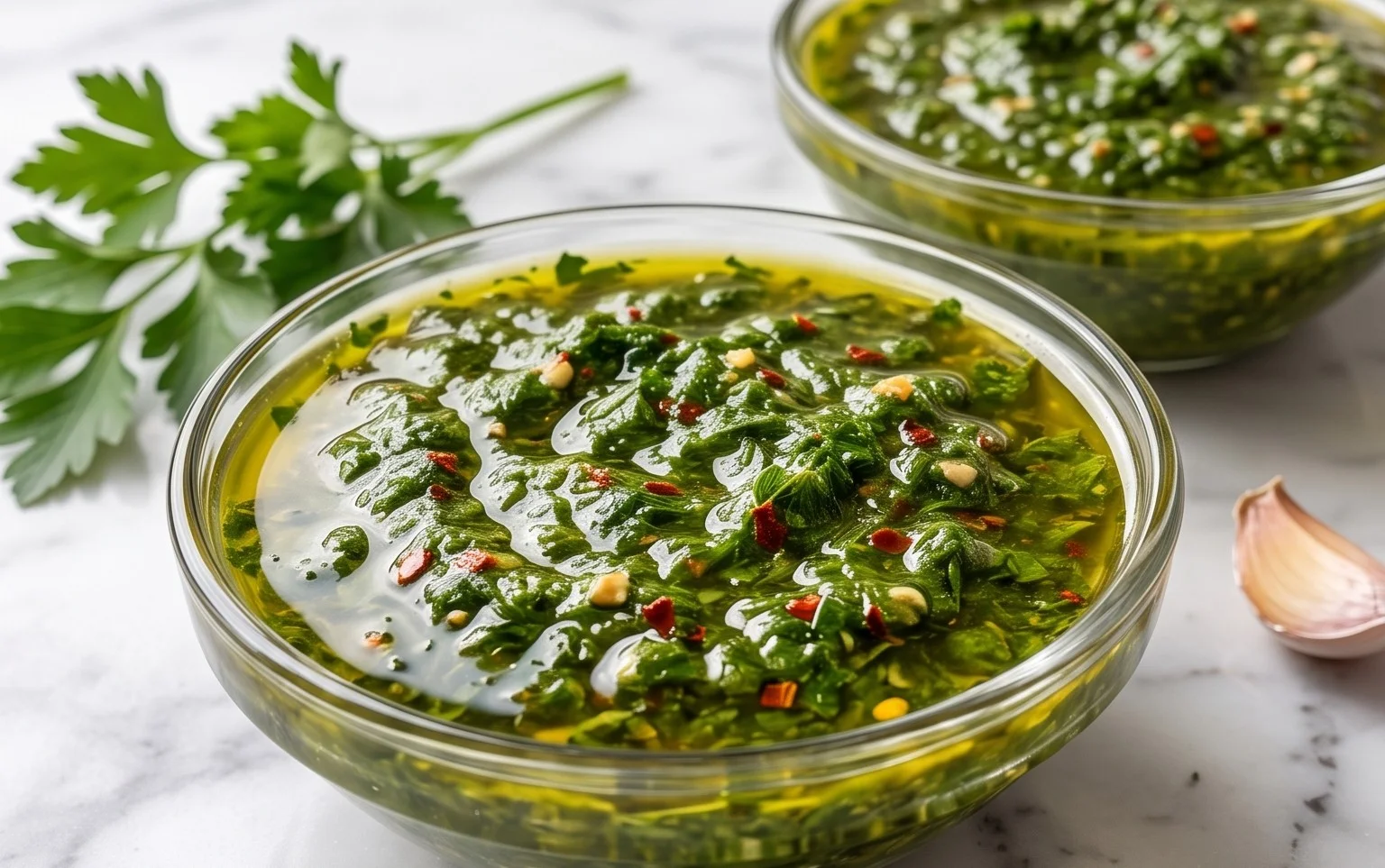
Chimichurri sauce is more than just a condiment; it’s a vibrant explosion of fresh herbs and zesty flavors that instantly elevates any dish. If you’ve ever savored a perfectly grilled steak or a tender piece of chicken and wondered about that incredible green sauce, chances are you’ve encountered the magic of chimichurri. People absolutely adore this Argentinean staple for its ability to transform simple ingredients into something truly special. What sets chimichurri apart is its incredible freshness. Unlike creamy sauces, this herbaceous concoction relies on the bright notes of parsley, the pungent kick of garlic, and the subtle warmth of oregano, all balanced by the tang of vinegar and the richness of olive oil. It’s that perfect balance of acidity and herbaciousness that makes chimichurri so addictive and universally loved.
Chimichurri Sauce
There’s a reason chimichurri sauce has become a global phenomenon. This vibrant, herbaceous condiment, origin extractating from Argentina and Uruguay, is the perfect accompaniment to grilled meats, vegetables, and even seafood. It’s a burst of fresh flavor that can elevate even the simplest meal. Forget those store-bought versions that often lack the punch and brightness of the real deal. Making chimichurri from scratch is surprisingly easy and incredibly rewarding. The key is fresh, high-quality ingredients, and a little bit of chopping. Once you taste this homemade version, you’ll understand why it’s a staple for barbecue lovers everywhere. It’s more than just a sauce; it’s an experience of pure, unadulterated flavor.
Ingredients:
Making Your Chimichurri
The beauty of chimichurri lies in its simplicity. It’s all about combining fresh herbs with a zesty, flavorful base. While you can certainly use a food processor for a quicker blend, I personally prefer a slightly more rustic texture that comes from a good chop. This allows the individual flavors to shine through, and also gives the sauce a lovely visual appeal.
Step 1: Prepare the Herbs
Start by thoroughly washing and drying your fresh parsley and cilantro. This is a crucial step to ensure there’s no lingering dirt or grit. Once dry, remove the tough stems from the parsley. You want only the leafy green parts. For the cilantro, you can leave some of the tender stems attached as they also contribute to the flavor. Finely chop the parsley and cilantro. Aim for a consistency that’s not too fine, so you still get a pleasant chew.
Step 2: Chop the Aromatics
Next, let’s tackle the aromatics. Peel and finely mince your garlic cloves. The finer the mince, the more evenly the garlic flavor will distribute throughout the sauce. Take your red onion or shallot and chop it very finely. If you’re using a red onion and find the raw onion flavor a bit too sharp for your liking, you can soak the chopped onion in cold water for about 10 minutes and then drain it very well before adding it to the sauce. This will mellow out its intensity.
Step 3: Combine the Wet Ingredients and Seasonings
In a medium-sized bowl, combine the red grape juice vinegar and fresh lemon juice. The vinegar provides a tangy base, while the lemon juice adds a brighter, citrusy note that cuts through the richness of the oil and herbs. Now, add the salt and the optional red pepper flakes. If you’re using dried oregano, add it now as well. Stir these ingredients together until the salt is dissolved.
Step 4: Incorporate the Chopped Ingredients
Add your finely chopped parsley, cilantro, red onion (or shallot), and minced garlic to the bowl with the liquid ingredients. Stir everything together to ensure all the chopped ingredients are coated. At this stage, it might look like a lot of green, but don’t worry, it will all come together beautifully.
Step 5: Emulsify with Olive Oil
This is where the magic happens. Slowly drizzle in the olive oil while whisking or stirring continuously. You want to emulsify the oil into the herb and vinegar mixture. Continue adding the olive oil until it’s fully incorporated and the sauce has a beautiful, slightly thickened consistency. Don’t rush this step; a slow and steady pour will create a much better emulsion. Taste the chimichurri at this point and adjust the salt and red pepper flakes to your preference. Remember, the flavors will meld and deepen as it sits.
Step 6: Let the Flavors Mingle
For the best flavor, it’s highly recommended to let your chimichurri sauce rest for at least 30 minutes at room temperature before serving. This allows all the fresh ingredients to meld together, creating a harmonious and complex flavor profile. You can even make it a day in advance and store it in an airtight container in the refrigerator. The flavors will become even more pronounced. When you’re ready to serve, give it a good stir. If it has been refrigerated, the olive oil might solidify slightly, so letting it come to room temperature for a bit will help loosen it up.
Chimichurri is incredibly versatile. It’s a classic pairing for grilled steak, chicken, beef, and lamb. Don’t limit yourself to meat, though! It’s also fantastic drizzled over roasted vegetables, grilled fish, or even as a dip for crusty bread. Experiment and discover your favorite ways to enjoy this amazing sauce. You’ll find yourself reaching for this recipe again and again.
Conclusion:
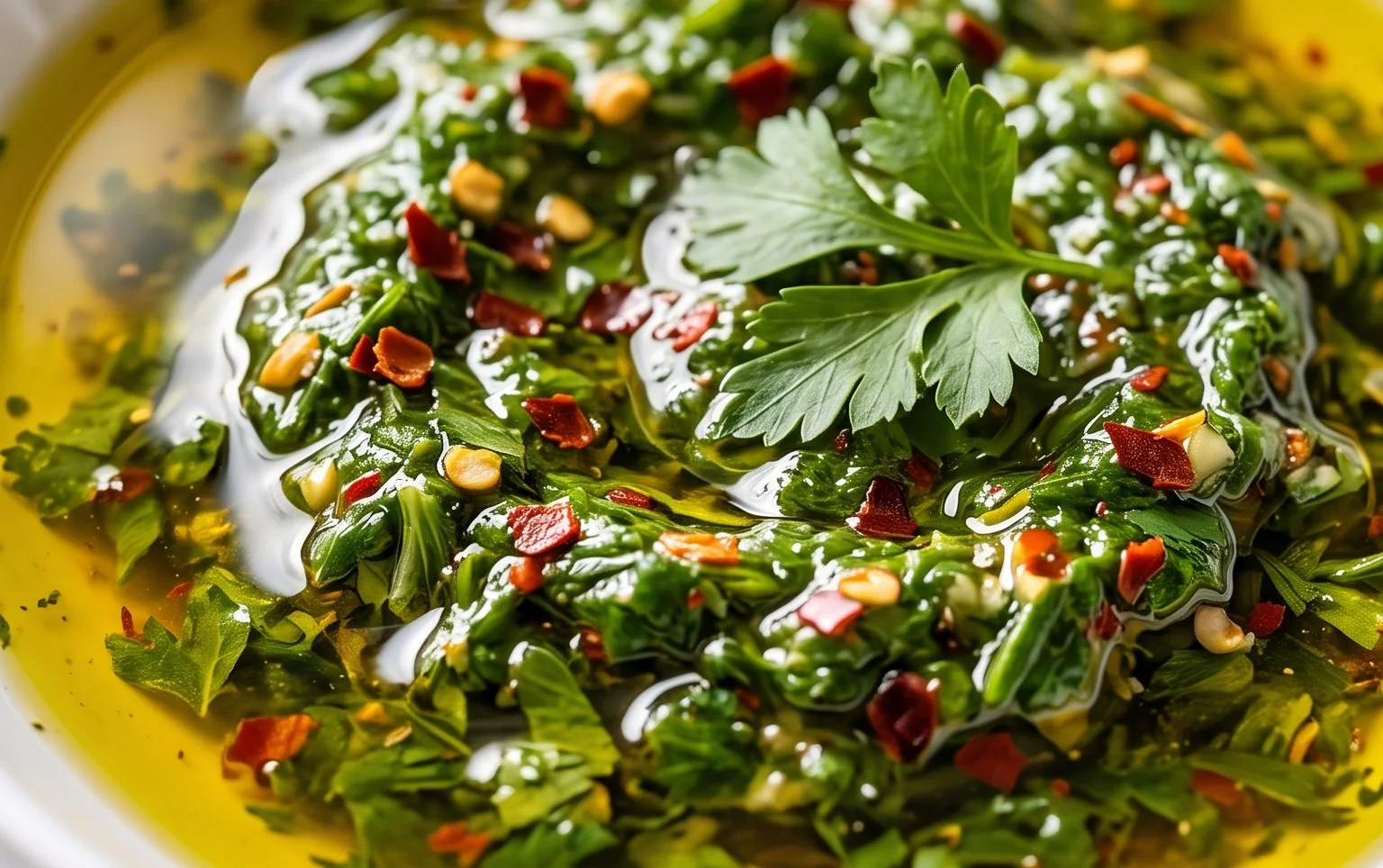
I hope you’re feeling inspired to whip up your own batch of vibrant, herbaceous chimichurri sauce! This recipe is truly a game-changer for elevating everyday meals. Its incredible freshness, zesty bite, and aromatic blend of parsley, cilantro, garlic, and vinegar are simply unmatched. It’s incredibly versatile and adds a burst of flavor to everything from grilled steaks and roasted chicken to grilled vegetables and even as a dipping sauce for crusty bread. Don’t be afraid to experiment with serving it as a marinade or drizzled over fish. I encourage you all to give this fantastic chimichurri sauce recipe a try; you won’t regret it!
Frequently Asked Questions:
What is the best way to store leftover chimichurri sauce?
You can store leftover chimichurri sauce in an airtight container in the refrigerator for up to a week. The flavors will actually meld and deepen over time, making it even more delicious! Just give it a good stir before serving.
Can I freeze chimichurri sauce?
While it’s best enjoyed fresh, you can freeze chimichurri sauce. However, the texture of the herbs might change slightly upon thawing. To freeze, portion it into ice cube trays or small freezer-safe containers. Once frozen, transfer to a freezer bag. Thaw in the refrigerator before use.
Are there any variations I can try with this chimichurri sauce recipe?
Absolutely! For a spicier kick, add a pinch of red pepper flakes or a finely chopped jalapeño. You can also experiment with different herbs; thyme or oregano can be nice additions. Some people even add a touch of lemon zest for extra brightness.
Chimichurri Sauce
A vibrant and herbaceous Argentinian sauce perfect for grilled meats, vegetables, and more.
Ingredients
-
1 1/2 cups well packed (42g) fresh parsley
-
1/2 cup well packed (20g) fresh cilantro
-
1/4 cup (9g) fresh oregano
-
1/4 small red onion
-
3 garlic cloves
-
3 Tbsp red grape juice vinegar
-
2 Tbsp fresh lemon juice
-
1/2 tsp salt
-
1/4 tsp red pepper flakes
-
3/4 cup olive oil
Instructions
-
Step 1
Finely chop the fresh parsley, cilantro, and oregano. If using fresh oregano, chop it finely. If using dried, you can add it directly later. -
Step 2
Finely mince the red onion (or shallot) and garlic cloves. -
Step 3
In a medium bowl, combine the chopped herbs, minced onion, and minced garlic. -
Step 4
Add the red grape juice vinegar, fresh lemon juice, salt, and red pepper flakes (if using). Stir to combine. -
Step 5
Slowly drizzle in the olive oil while whisking continuously until the sauce is emulsified and well combined. -
Step 6
Taste and adjust salt and red pepper flakes as needed. For best flavor, let the sauce sit for at least 30 minutes before serving to allow the flavors to meld.
Important Information
Nutrition Facts (Per Serving)
It is important to consider this information as approximate and not to use it as definitive health advice.
Allergy Information
Please check ingredients for potential allergens and consult a health professional if in doubt.