
Easy Miso Soup Recipe – Quick & Delicious Flavor
Miso soup recipe is more than just a starter; it’s a warm embrace in a bowl, a comforting ritual that transports you to the heart of Japanese cuisine. For so many of us, the savory, umami-rich depth of miso soup evokes feelings of home, of simple nourishment, and of pure, unadulterated deliciousness. What makes this humble dish so universally loved? It’s the delicate balance of salty, fermented soybean paste, the subtly sweet dashi broth, and the tender additions that create a symphony of textures and flavors. Whether you’re seeking a light accompaniment to your sushi, a soul-warming lunch, or a versatile base for more elaborate meals, a well-made miso soup recipe is an essential skill to have in your culinary repertoire. It’s incredibly satisfying to create this authentic taste yourself.
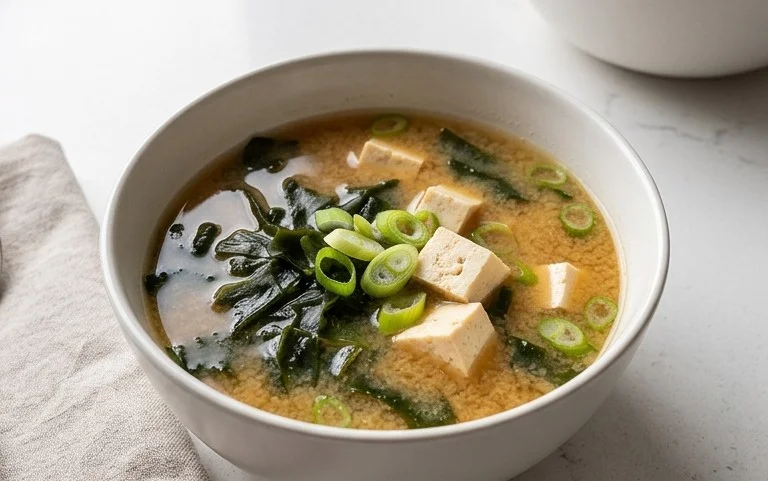
Miso Soup Recipe
There’s something incredibly comforting and nourishing about a steaming bowl of miso soup. It’s a staple in Japanese cuisine for a reason – it’s quick, simple, and packed with umami goodness. Whether you’re seeking a light starter, a warming accompaniment to a larger meal, or a simple pick-me-up, this classic miso soup recipe is your answer. It’s remarkably easy to prepare, making it perfect for weeknight dinners or when you’re craving something wholesome without a lot of fuss.
The magic of miso soup lies in its fundamental ingredients: dashi, the flavorful broth, and miso paste, the fermented soybean paste that provides its signature savory depth. While the basic recipe is incredibly straightforward, the beauty of miso soup is its adaptability. You can customize it with various additions, but today, we’re focusing on the pure, unadulterated essence of a classic miso soup with tender silken tofu and the subtle chew of dried seaweed.
This recipe is designed to be straightforward, even for those who are new to cooking Japanese food. The key is to handle the miso paste gently, as over-boiling can diminish its delicate flavor and beneficial properties. So, gather your ingredients, and let’s dive into creating this soul-warming soup.
Ingredients:
Cooking Instructions:
The preparation of this miso soup is a breeze, and you’ll be enjoying a delicious bowl in no time. The process focuses on layering flavors and textures, ensuring each component shines.
1. Prepare the Dashi and Rehydrate the Seaweed: The foundation of any good miso soup is dashi. You can use instant dashi granules mixed with water for ultimate convenience, or if you’re feeling ambitious, you can make your own dashi from scratch using kombu (kelp) and katsuobushi (bonito flakes). For this recipe, let’s assume you have your 2½ cups of dashi ready. Next, take your 1 heaping tablespoon of dried seaweed. This is usually wakame, which is perfect for its tender texture when rehydrated. Place the dried seaweed in a small bowl and cover it with cool water. Let it sit for about 5-10 minutes, or until it has fully plumped up and softened. Once rehydrated, gently squeeze out any excess water and set it aside. If the seaweed pieces are large, you can give them a quick chop for easier consumption.
2. Heat the Dashi and Add the Seaweed: Pour your prepared 2½ cups of dashi into a medium saucepan. Place the saucepan over medium heat. We want to bring the dashi to a gentle simmer, not a rolling boil. As the dashi begin extracts to warm up, add the rehydrated and drained dried seaweed to the pot. Stir gently to distribute the seaweed throughout the broth. Allowing the seaweed to simmer for a few minutes helps it to fully absorb the flavors of the dashi and become tender. This step also begin extracts to infuse the broth with the subtle brininess of the seaweed.
3. Introduce the Tofu: Once the dashi is simmering and the seaweed has had a moment to meld, it’s time to add the silken tofu. Gently place the small pieces of silken tofu into the simmering dashi. Be careful not to break them up too much as you add them. Silken tofu is delicate, and we want to keep the pieces relatively intact. Allow the tofu to heat through in the soup for about 2-3 minutes. It doesn’t need to cook extensively, just get warm and tender, absorbing some of the savory broth.
4. Incorporate the Miso Paste: This is the crucial step where the soup truly becomes miso soup. It’s important to do this off the direct heat or at the very lowest simmer to preserve the beneficial enzymes and delicate flavor of the miso paste. Take your 2-2½ tablespoons of miso paste and place it in a small bowl or a ladle. Ladle a small amount of the warm dashi broth into the bowl or ladle containing the miso paste. Use a whisk or a fork to gently stir and dissolve the miso paste completely into the broth. This creates a smooth, lump-free mixture. This pre-dissolving step ensures that the miso paste disperses evenly throughout the soup without clumping. Once fully dissolved, pour this miso mixture back into the saucepan with the rest of the soup.
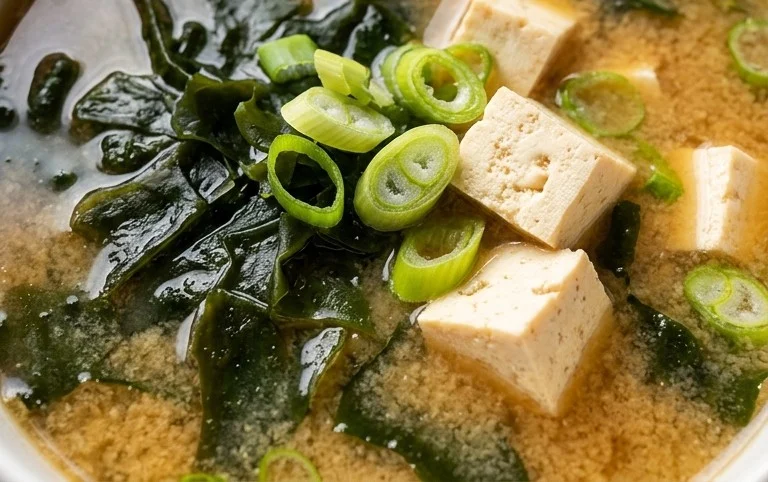
5. Gently Heat and Serve: Now, gently stir the miso mixture into the soup. Continue to heat the soup over very low heat for just another minute or two. Do not let the soup boil after the miso has been added. Boiling the miso can destroy its complex flavors and nutritional benefits. You’ll notice the soup become opaque and fragrant. Taste the soup and adjust the seasoning by adding a little more miso paste if you prefer a stronger flavor. Remember, miso paste can vary in saltiness, so start with the lower end and add more as needed. Ladle the hot miso soup into individual bowls. Garnish generously with the chopped scallions. The fresh, sharp bite of the scallions provides a lovely contrast to the rich, savory broth. Serve immediately and enjoy the comforting warmth and deliciousness of your homemade miso soup.
Conclusion:
There you have it! My simple yet incredibly satisfying Miso Soup Recipe. This recipe is a true testament to how a few humble ingredients can create something so profoundly flavorful and comforting. It’s quick to prepare, making it perfect for a weeknight meal or a nourishing starter. The beauty of this miso soup lies in its versatility; it’s not just a delicious dish, but a wonderful canvas for your own culinary creativity.
I love serving this miso soup alongside sushi, ramen, or as a light accompaniment to any Asian-inspired meal. It’s also fantastic enjoyed on its own for a moment of quiet reflection and warmth. Don’t be afraid to experiment! You can add in silken tofu for extra protein, a handful of spinach or bok choy for added greens, or even some shiitake mushrooms for an earthier depth of flavor. Consider a drizzle of toasted sesame oil for an extra aromatic punch.
I genuinely encourage you to give this Miso Soup Recipe a try. It’s a truly rewarding experience to create this traditional Japanese staple in your own kitchen. Embrace the process, savor the aroma as it simmers, and enjoy the delightful taste. You might just find yourself making it a regular part of your culinary repertoire.
Frequently Asked Questions:
What kind of miso paste should I use?
There are several types of miso, including white (shiro), yellow (awase), and red (aka). White miso is the mildest and slightly sweet, making it a great all-around choice for this recipe. Yellow miso offers a bit more depth, while red miso is the most robust and savory. For your first time, I recommend starting with white or yellow miso for a balanced flavor profile.
Can I make this miso soup vegan?
Absolutely! My recipe as written is already vegan-friendly. The dashi is made with kombu (kelp) and sometimes dried shiitake mushrooms, which are entirely plant-based. Just ensure your miso paste doesn’t contain any animal products, which is rare but always good to check.
How long does miso soup last?
Miso soup is best enjoyed fresh, as the delicate flavors can diminish over time. However, leftovers can be stored in an airtight container in the refrigerator for 1-2 days. Reheat gently on the stovetop; avoid boiling, as high heat can negatively impact the miso’s taste and beneficial properties.
Miso Soup Recipe
A simple and comforting classic Japanese miso soup.
Ingredients
-
2½ cups Dashi
-
1 heaping tablespoon dried seaweed
-
4 oz silken tofu (cut into small pieces)
-
2-2½ tablespoons miso paste (or to taste)
-
1 tablespoon scallion (chopped)
Instructions
-
Step 1
Rehydrate the dried seaweed in a small bowl of water for about 5 minutes, then drain. -
Step 2
In a medium saucepan, bring the dashi to a simmer over medium heat. Do not boil. -
Step 3
Add the rehydrated seaweed and tofu pieces to the simmering dashi. Cook for 2-3 minutes until heated through. -
Step 4
In a separate small bowl, ladle a small amount of the hot dashi and whisk in the miso paste until smooth. This prevents the miso from clumping. -
Step 5
Gently stir the dissolved miso mixture back into the saucepan with the dashi, seaweed, and tofu. Heat gently for another minute, but do not let it boil. -
Step 6
Ladle the miso soup into individual bowls and garnish with chopped scallions.
Important Information
Nutrition Facts (Per Serving)
It is important to consider this information as approximate and not to use it as definitive health advice.
Allergy Information
Please check ingredients for potential allergens and consult a health professional if in doubt.