Easy Mongolian Beef Recipe-Flavorful & Quick Dinner
Mongolian Beef is more than just a dish; it’s an experience, a flavor explosion that has captured the hearts (and stomachs!) of food lovers worldwide. Have you ever found yourself craving that perfect balance of savory, slightly sweet, and undeniably umami goodness? That’s the magic of true Mongolian Beef. It’s a dish that consistently delivers on satisfaction, offering a delightful textural contrast between tender, thinly sliced beef and a glossy, irresistible sauce. What truly sets this particular rendition of Mongolian Beef apart is its incredible accessibility. Forget complicated restaurant preparations; I’m going to show you how to recreate that authentic, craveable taste right in your own kitchen, with ingredients you likely already have on hand. Get ready to impress yourself and everyone you share it with!
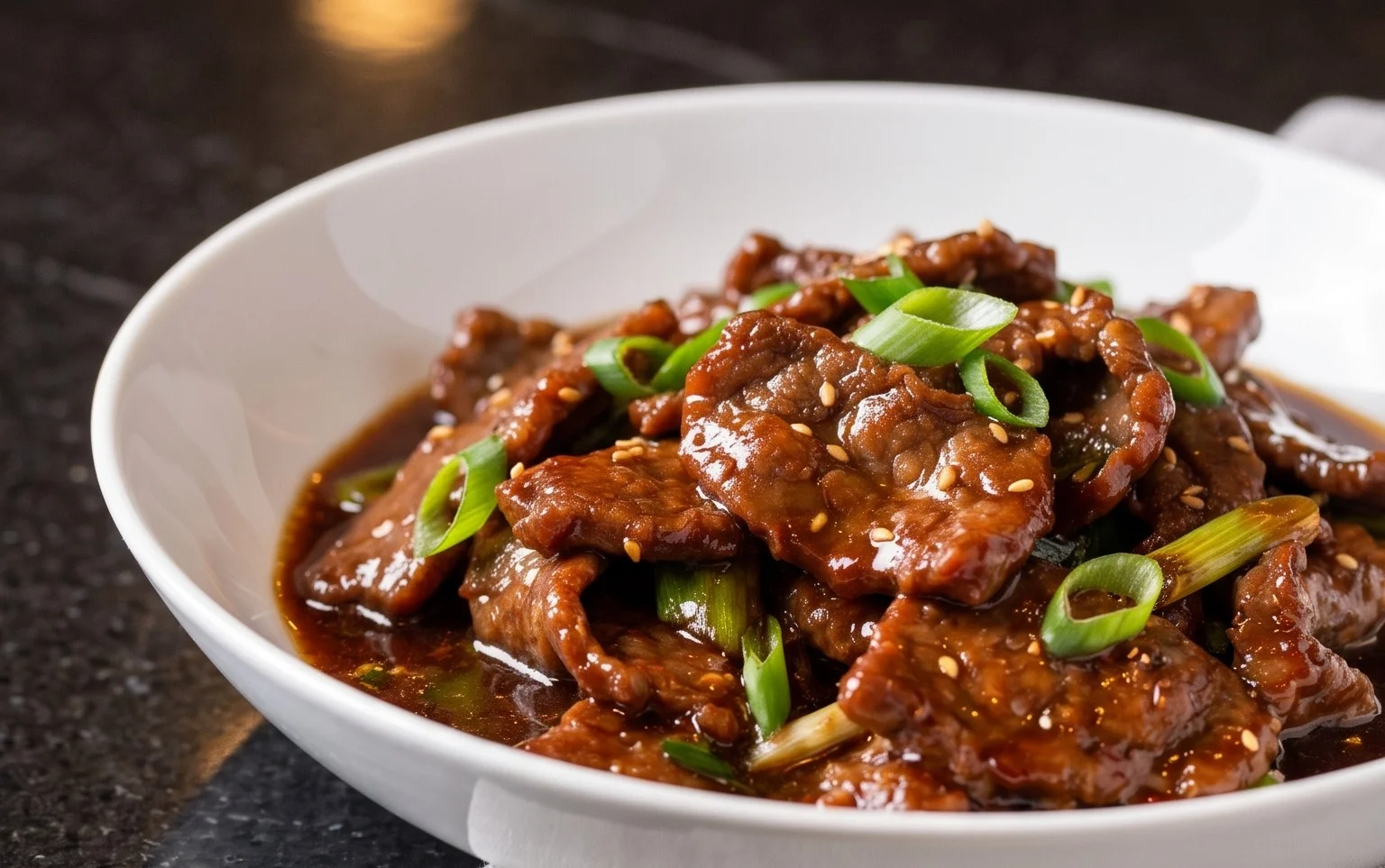
Mongolian Beef
There’s something incredibly satisfying about a plate of perfectly cooked Mongolian Beef. It’s that delightful combination of tender, savory beef coated in a rich, slightly sweet, and tangy sauce that just makes you want to go back for more. While it might seem like a dish reserved for your favorite Chinese takeout spot, I’m here to tell you that making it at home is surprisingly achievable and, dare I say, even more rewarding. The key lies in getting the beef perfectly tender and building a flavorful sauce that coats every single bite. Let’s get cooking!
Ingredients:
Preparation and Marinating the Beef:
The first step to achieving that signature tender beef is in the preparation. You’ll want to slice your flank steak against the grain. This is crucial for breaking down the tough muscle fibers, making the beef melt-in-your-mouth tender. Aim for slices that are about ⅛ to ¼ inch thick. Once sliced, we’ll marinate the beef. In a medium bowl, combine the thinly sliced beef with 2 tablespoons of water, 2 teaspoons of Shaoxing rice vinegar, ½ teaspoon of Kosher salt, and ¼ teaspoon of baking soda. The baking soda might sound unusual, but it’s a secret weapon in many Asian cooking techniques. It helps to tenderize the meat by increasing the pH on the surface of the beef, allowing it to retain more moisture during cooking. Gently mix everything together, ensuring each slice is coated. Let this marinate for at least 15 minutes, or up to 30 minutes at room temperature.
Next, we’ll add the cornstarch. Sprinkle the 2 tablespoons of cornstarch over the marinated beef. Add the 1 tablespoon of neutral oil (like vegetable, canola, or grapeseed oil) and the 1 teaspoon of cracked black pepper. Gently toss the beef to coat it evenly with the cornstarch and oil. This coating will create a barrier, helping the beef to fry up beautifully and preventing it from sticking together. It also forms a lovely crisp exterior that will hold onto the sauce.
Crafting the Mongolian Sauce:
While the beef is marinating, it’s the perfect time to whip up our flavorful Mongolian sauce. In a small bowl, whisk together 1 tablespoon of Shaoxing rice vinegar, 3 tablespoons of granulated sugar, and 2 tablespoons of regular soy sauce. Give it a good stir until the sugar is mostly dissolved. This simple combination creates the perfect balance of sweet, tangy, and savory that defines Mongolian Beef. Set this aside.
Cooking the Beef and Stir-Frying:
Now for the exciting part! Heat a wok or a large, heavy-bottomed skillet over medium-high heat. Add about 1 tablespoon of oil. Once the oil is shimmering hot, carefully add the marinated beef in a single layer. You might need to do this in batches to avoid overcrowding the pan, which would steam the beef instead of searing it. Sear the beef for about 1 to 2 minutes per side until it’s nicely browned and cooked through. The cornstarch coating should create a slightly crispy exterior. Remove the cooked beef from the wok and set it aside on a plate.
In the same wok, add a little more oil if needed. Add the minced garlic and stir-fry for about 30 seconds until fragrant. Be careful not to burn the garlic. Add the sliced yellow onion and the white parts of the green onions. Stir-fry for about 2-3 minutes until the onions begin extract to soften and become slightly translucent.
Now, it’s time to bring it all together. Pour the prepared Mongolian sauce into the wok with the onions and garlic. Bring the sauce to a simmer, stirring constantly. As the sauce heats up, it will thicken slightly. Once the sauce is simmering and has thickened, return the cooked beef to the wok. Add the green parts of the green onions. Toss everything together gently to coat the beef and vegetables evenly with the luscious sauce. Cook for another minute, just to heat everything through.
Optional Vermicelli Finish:
If you’re using the rice vermicelli, this is where it comes into play. You can prepare it according to package directions (usually by soaking in hot water). Drain the vermicelli well and gently toss it with the Mongolian beef and sauce in the wok. This adds a delightful textural element and makes the dish even more substantial. If you prefer not to use vermicelli, simply serve the Mongolian Beef as is.
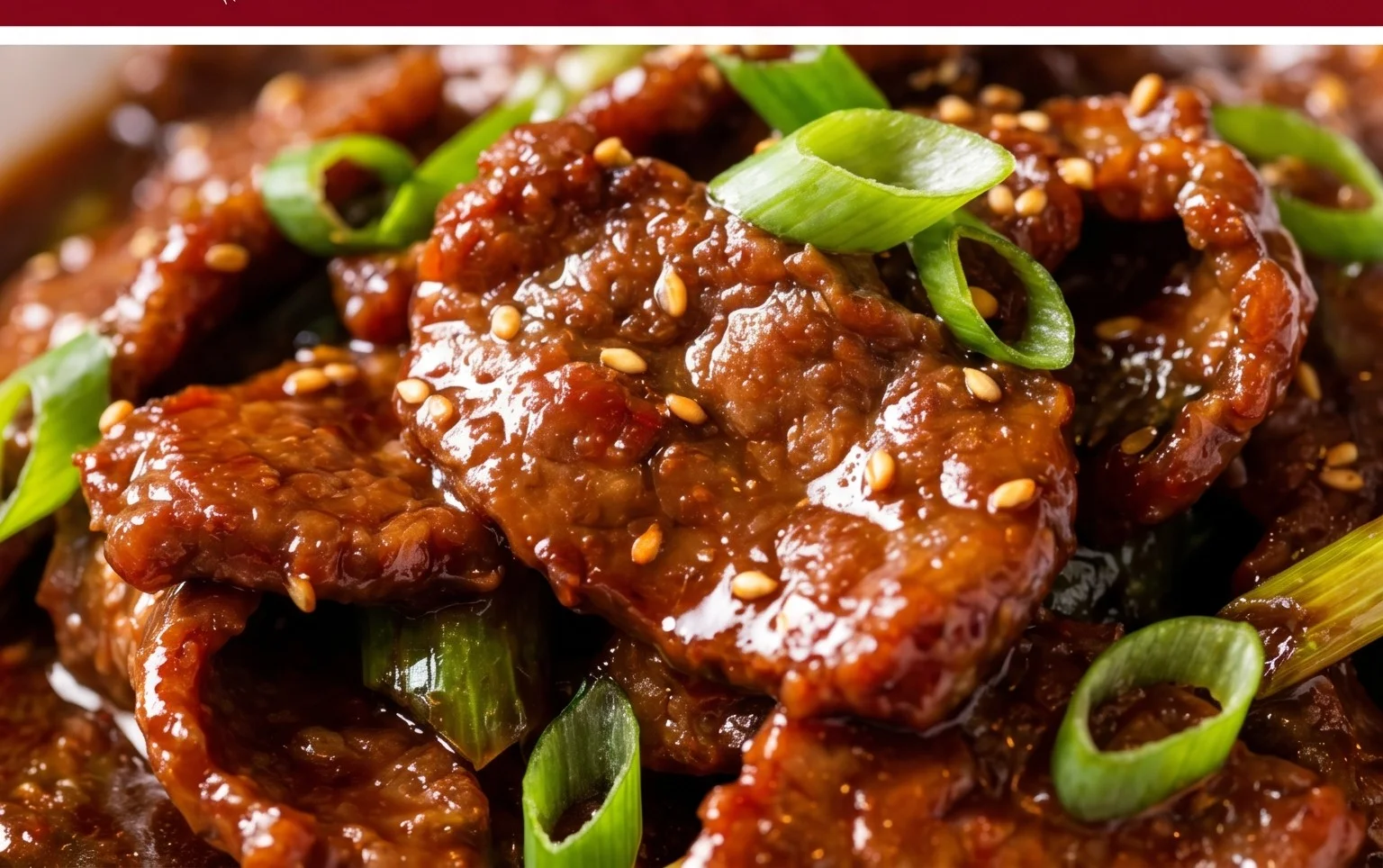
Serve your delicious homemade Mongolian Beef immediately over steamed rice. The combination of tender beef, savory sauce, and fresh green onions is truly a winner. Enjoy!
Conclusion:
There you have it – a simple yet incredibly satisfying way to recreate that beloved Mongolian Beef in your own kitchen! What makes this recipe truly great is its ability to deliver those signature sweet, savory, and slightly spicy flavors with a wonderful tender texture that rivals your favorite takeout. It’s a dish that’s surprisingly approachable for home cooks, proving that delicious, restaurant-quality meals are within reach.
I love serving this Mongolian Beef over fluffy white rice, letting that glorious sauce soak in. Steamed broccoli or stir-fried mixed vegetables are also fantastic companions, adding freshness and a delightful crunch. For a more adventurous twist, consider adding a pinch of red pepper flakes for extra heat or a drizzle of sesame oil at the end for an enhanced nutty aroma.
Don’t be intimidated if you haven’t made it before! The steps are straightforward, and the results are incredibly rewarding. I truly encourage you to give this Mongolian Beef recipe a try. I’m confident you’ll be delighted with how delicious and authentic it tastes.
Frequently Asked Questions:
Why is my beef not tender?
Ensuring tenderness starts with the cut of beef. Thinly sliced flank steak or sirloin is ideal. Marinating the beef, even for just 15-30 minutes in soy sauce, cornstarch, and a little baking soda (optional), helps to break down the proteins and keep it moist during cooking. Also, be careful not to overcrowd the pan when searing; cook in batches if necessary to get a good sear rather than steaming the meat.
Can I make this recipe gluten-free?
Absolutely! To make this Mongolian Beef gluten-free, simply substitute the regular soy sauce with tamari or a gluten-free soy sauce alternative. Ensure your oyster sauce is also gluten-free, as some brands contain wheat. Cornstarch is naturally gluten-free, so that part of the recipe remains the same.
What kind of sauce is typically used for Mongolian Beef?
The signature sauce for Mongolian Beef is a delightful blend of savory and sweet. It typically includes soy sauce, oyster sauce, brown sugar or honey for sweetness, garlic, gin extractger, and often a touch of vinegar for balance. A cornstarch slurry is used to thicken it to that perfect glossy consistency.
Mongolian Beef
A popular Chinese-American dish featuring thinly sliced beef coated in a savory and slightly sweet sauce, often served with rice.
Ingredients
-
1 pound beef flank steak (thinly sliced (between ⅛ to ¼ inch thick))
-
2 tablespoons water
-
2 teaspoons Shaoxing rice vinegar
-
½ teaspoon Kosher salt ((a little less if using fine salt))
-
¼ teaspoon baking soda
-
2 tablespoons cornstarch
-
1 tablespoon oil (any neutral oil)
-
1 teaspoon cracked black pepper (more or less to taste)
-
1 tablespoon Shaoxing rice vinegar
-
3 tablespoons granulated sugar
-
2 tablespoons regular soy sauce
-
1 tablespoon garlic (minced (about 2 cloves))
-
½ large yellow onion (sliced)
-
1 bunch green onion (cut into 2 inch pieces (separate the white and green parts))
-
1 ounce rice vermicelli (medium thickness (optional; use more or less to preference))
Instructions
-
Step 1
In a medium bowl, combine the thinly sliced beef with 2 tablespoons of water, 2 teaspoons of Shaoxing rice vinegar, ½ teaspoon of Kosher salt, and ¼ teaspoon of baking soda. Mix well and let it marinate for at least 10 minutes. -
Step 2
Add 2 tablespoons of cornstarch to the marinated beef and toss until each slice is evenly coated. Set aside. -
Step 3
In a small bowl, whisk together 1 tablespoon of Shaoxing rice vinegar, 3 tablespoons of granulated sugar, and 2 tablespoons of regular soy sauce. Set aside. -
Step 4
Heat 1 tablespoon of oil in a wok or large skillet over medium-high heat. Add the coated beef in a single layer (cook in batches if necessary to avoid crowding) and stir-fry for 2-3 minutes until browned. Remove beef from the wok and set aside. -
Step 5
Add the minced garlic and the white parts of the green onion to the wok and stir-fry for about 30 seconds until fragrant. Add the sliced yellow onion and stir-fry for another minute. -
Step 6
Return the beef to the wok. Pour the prepared sauce over the beef and stir to coat. Cook for 1-2 minutes, or until the sauce thickens and coats the beef nicely. -
Step 7
Stir in the green parts of the green onion and 1 teaspoon of cracked black pepper. If using rice vermicelli, add them now and toss to combine. Cook for another minute.
Important Information
Nutrition Facts (Per Serving)
It is important to consider this information as approximate and not to use it as definitive health advice.
Allergy Information
Please check ingredients for potential allergens and consult a health professional if in doubt.