Fresh Pasta Primavera Recipe – Easy & Delicious
Pasta Primavera is more than just a meal; it’s a vibrant celebration of spring on a plate. Imagin extracte a symphony of fresh, colorful vegetables, perfectly cooked pasta, and a light, often lemony sauce that sings with flavor. It’s no wonder this classic dish is a perennial favorite! What makes Pasta Primavera so beloved? It’s the incredible versatility and the way it captures the essence of the season. We can load it up with whatever tender greens and crisp vegetables are at their peak, from bright asparagus and sweet peas to juicy cherry tomatoes and tender zucchini. It’s a dish that feels both light and satisfying, a perfect balance that appeals to almost everyone. Whether you’re looking for a quick weeknight dinner or a beautiful dish to impress guests, this Pasta Primavera recipe is your answer to a flavorful, wholesome, and utterly delicious experience.
Pasta Primavera: A Celebration of Spring’s Bounty
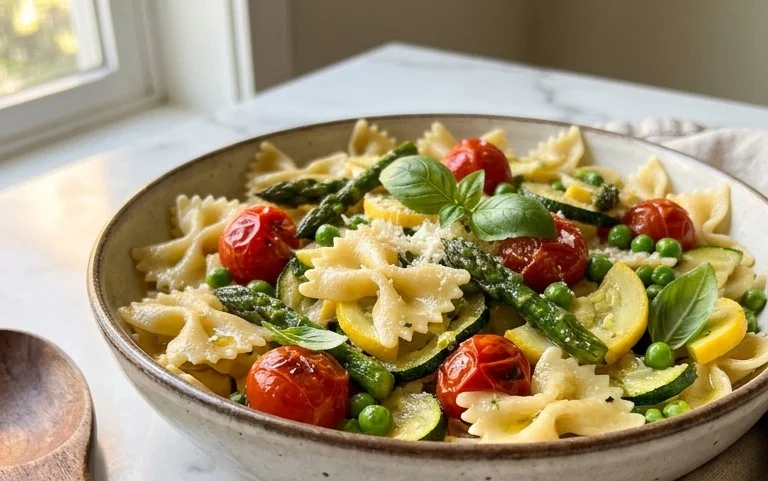
There’s something truly magical about Pasta Primavera. It’s a dish that screams spring, a vibrant medley of fresh vegetables tossed with perfectly cooked pasta. It’s light, healthy, and bursting with flavor, making it an ideal weeknight meal or a delightful dish to impress guests. The beauty of this recipe lies in its simplicity and the ability to adapt it to your favorite seasonal vegetables. Today, we’re bringin extractg you a classic rendition that showcases the best of what spring has to offer. Get ready to transform your kitchen into a vibrant garden!
Ingredients:
Cooking Instructions:
Let’s get started on this delightful springtime pasta!
1. Prepare the Pasta and Vegetables
The first step to a successful Pasta Primavera is getting your ingredients prepped and ready to go. This dish cooks relatively quickly once the vegetables hit the pan, so having everything chopped and within reach will make the process much smoother.
First, bring a large pot of generously salted water to a rolling boil for your pasta. While the water heats up, focus on your vegetables. Ensure your red onion is thinly sliced, your carrot is peeled and cut into delicate matchsticks (this allows them to cook quickly and evenly), and your broccoli florets are also cut into similar matchstick-sized pieces. The red bell pepper should be seeded and sliced into matchsticks as well. For the yellow squash and zucchini, cut them into quarter portions and then slice them thinly, creating half-moon shapes. Mince your garlic cloves finely, and halve your grape tomatoes through the length. This preparation might seem like a lot, but it’s crucial for achieving that beautiful, cohesive primavera look and ensuring all the vegetables cook at roughly the same rate.
2. Cook the Pasta to Perfection
Once your water is boiling vigorously, add your 10 oz. of dry Barilla Penne Pasta. Stir it immediately to prevent sticking. Cook the pasta according to the package directions, aiming for a perfect al dente. This means the pasta should be tender but still have a slight bite to it. Overcooked pasta will become mushy and lose its delightful texture, which is essential for a good primavera. Before draining, make sure to reserve about 1/2 cup of the starchy pasta water. This liquid gold will be our secret weapon for creating a luscious sauce that beautifully coats the pasta and vegetables. Drain the pasta well and set it aside.
3. Sauté the Aromatic Base and Harder Vegetables
Now for the heart of the primavera – the sautéed vegetables! Heat 1/4 cup of olive oil in a large skillet or Dutch oven over medium-high heat. Once the oil is shimmering, add your sliced red onion and carrot matchsticks. Sauté them for about 3-4 minutes, stirring occasionally, until they begin extract to soften and the onion becomes slightly translucent. This initial sauté builds a foundational flavor for the entire dish. Next, add your broccoli florets and red bell pepper matchsticks to the skillet. Continue to sauté for another 4-5 minutes, allowing these vegetables to soften slightly and develop a little char. The key here is to achieve tender-crisp vegetables, not mushy ones.
4. Incorporate the Softer Vegetables and Garlic
As the broccoli and bell peppers begin extract to tenderize, it’s time to add the quicker-cooking vegetables. Add your sliced yellow squash and zucchini to the skillet. Stir them in with the other vegetables and cook for an additional 3-4 minutes. You want them to become tender but still retain a slight firmness. Now, add your minced garlic cloves to the skillet. Cook for just about 1 minute, stirring constantly, until fragrant. Be careful not to burn the garlic, as this can impart a bitter flavor. Immediately after the garlic is fragrant, toss in your halved grape tomatoes and sprinkle in the 2 tsp of dried Italian seasoning. Stir everything together and cook for another 2 minutes, or until the tomatoes begin extract to soften and release their juices.
5. Bring It All Together with the Pasta and Sauce
This is where the magic happens! Add your drained, al dente penne pasta directly into the skillet with the sautéed vegetables. Pour in the reserved 1/2 cup of pasta water. This starchy water, combined with the olive oil and vegetable juices, will begin extract to form a light, flavorful sauce. Add the 2 Tbsp of fresh lemon juice for a bright, zesty finish that cuts through the richness of the olive oil and vegetables. Finally, add about half of your shredded parmesan cheese (reserving the rest for topping). Toss everything together vigorously until the pasta is well coated, the vegetables are evenly distributed, and the cheese has melted into a beautiful, glossy sauce. You can add a splash more pasta water if the sauce seems too dry.
6. Serve and Enjoy Your Primavera Masterpiece
Your Pasta Primavera is now ready to be served! Divide the pasta and vegetable mixture among serving bowls. Garnish generously with the remaining shredded parmesan cheese. For an extra touch of freshness, you could also add a sprinkle of fresh parsley or basil if you have some on hand. This dish is best enjoyed immediately while it’s warm and vibrant. The combination of perfectly cooked pasta, tender-crisp vegetables, and a light, lemony sauce is simply divine. It’s a dish that truly embodies the essence of spring, bringin extractg a burst of color and flavor to your table. Enjoy every delicious bite!
Conclusion:
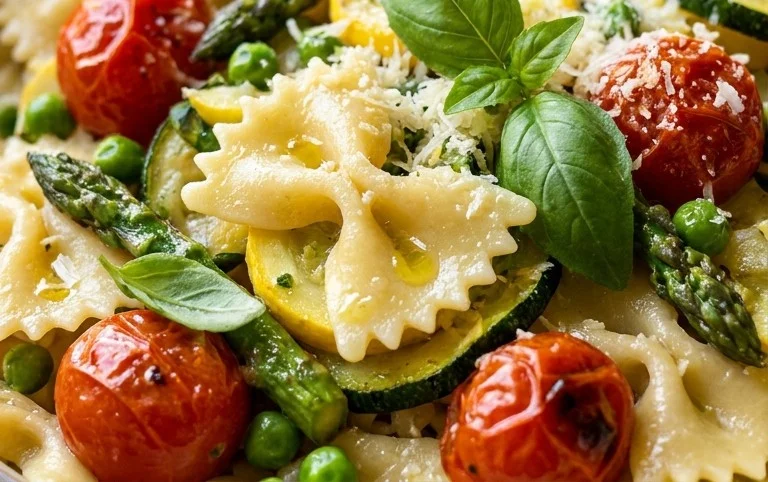
And there you have it – a vibrant and incredibly satisfying Pasta Primavera! This recipe is truly a celebration of fresh, seasonal ingredients, bringin extractg together a medley of colorful vegetables with perfectly cooked pasta in a light and flavorful sauce. It’s the ideal dish for a weeknight meal that feels special, or for impressing guests with its beautiful presentation and delicious taste. I truly hope you give this Pasta Primavera a try!
This dish is wonderfully versatile. Serve it as a standalone vegetarian main course, or pair it with grilled chicken, shrimp, or even a flaky white fish for a complete meal. For a heartier option, consider stirring in some crum extractbled feta or goat cheese at the end, or topping with toasted pine nuts for added crunch.
Don’t be afraid to experiment with your favorite seasonal vegetables! Asparagus, peas, zucchini, bell peppers, cherry tomatoes, and broccoli are all fantastic additions. You can also adjust the herbs to your liking – basil, parsley, and mint are all excellent choices.
So go ahead, gather your ingredients, and bring the freshness of spring (or any season!) to your table with this delightful Pasta Primavera. I’m confident you’ll fall in love with its simplicity and incredible flavor.
Frequently Asked Questions:
Q: What kind of pasta is best for Pasta Primavera?
A: While many pasta shapes work well, I find that shapes with nooks and crannies to catch the sauce and vegetables, like fusilli, penne, or farfalle, are particularly good. However, you can really use whatever pasta you have on hand or prefer.
Q: Can I make this recipe ahead of time?
A: Pasta Primavera is best enjoyed fresh, as the vegetables retain their crispness and the sauce is at its most vibrant. However, you can prep your vegetables and sauce base in advance. Then, cook the pasta and combine everything just before serving for the best results.
Q: I have dietary restrictions. Can I adapt this recipe?
A: Absolutely! For a gluten-free version, simply use your favorite gluten-free pasta. To make it dairy-free or vegan, omit the Parmesan cheese and consider adding a splash of nutritional yeast for a cheesy flavor, or a swirl of plant-based cream. The vegetables are naturally vegan!
Pasta Primavera
A vibrant and fresh pasta dish loaded with seasonal vegetables and a light, zesty sauce.
Ingredients
-
10 oz. dry Barilla Penne Pasta
-
Salt
-
1/4 cup olive oil
-
1/2 medium red onion, sliced
-
1 large carrot, peeled and sliced into matchsticks
-
2 cups broccoli florets, cut into matchsticks
-
1 medium red bell pepper, sliced into matchsticks
-
1 medium yellow squash, sliced into quarter portions
-
1 medium zucchini, sliced into quarter portions
-
3 – 4 cloves garlic cloves, minced
-
1 cup (heaping) grape tomatoes, halved through the length
-
2 tsp dried Italian seasoning
-
1/2 cup pasta water
-
2 Tbsp fresh lemon juice
-
1/2 cup shredded parmesan, divided
Instructions
-
Step 1
Cook the pasta according to package directions in salted water. Reserve 1/2 cup of the pasta water before draining. -
Step 2
While the pasta cooks, heat the olive oil in a large skillet or Dutch oven over medium heat. Add the red onion and cook until softened, about 3-4 minutes. -
Step 3
Add the carrot, broccoli, red bell pepper, yellow squash, and zucchini to the skillet. Cook, stirring occasionally, until the vegetables are tender-crisp, about 8-10 minutes. -
Step 4
Stir in the minced garlic and dried Italian seasoning. Cook for 1 minute more until fragrant. -
Step 5
Add the halved grape tomatoes and cook for another 2-3 minutes until they begin to soften. -
Step 6
Add the drained pasta to the skillet with the vegetables. Pour in the reserved pasta water and lemon juice. Toss to combine. -
Step 7
Stir in half of the shredded Parmesan cheese. Season with salt to taste. -
Step 8
Serve immediately, garnished with the remaining Parmesan cheese.
Important Information
Nutrition Facts (Per Serving)
It is important to consider this information as approximate and not to use it as definitive health advice.
Allergy Information
Please check ingredients for potential allergens and consult a health professional if in doubt.