
Hawaiian Spam Musubi- Delicious Tropical Snack Recipe
Hawaiian Spam Musubi is more than just a snack; it’s a cultural icon, a taste of paradise in every bite. If you’ve ever found yourself dreaming of sun-drenched beaches and the vibrant flavors of the islands, then this simple yet incredibly satisfying treat is for you. Why does this unassuming combination of salty, savory Spam, fluffy rice, and a touch of sweet glaze hold such a special place in so many hearts? It’s the perfect harmony of textures and tastes – the crispy edges of the pan-fried Spam, the comforting chew of the rice, all wrapped together with a satisfying nori seaweed embrace. Hawaiian Spam Musubi is a portable delight, a fuel for adventures, and a nostalgic reminder of home for many. It’s the ultimate fusion of convenience and deliciousness, a culinary hug that’s surprisingly easy to recreate in your own kitchen.
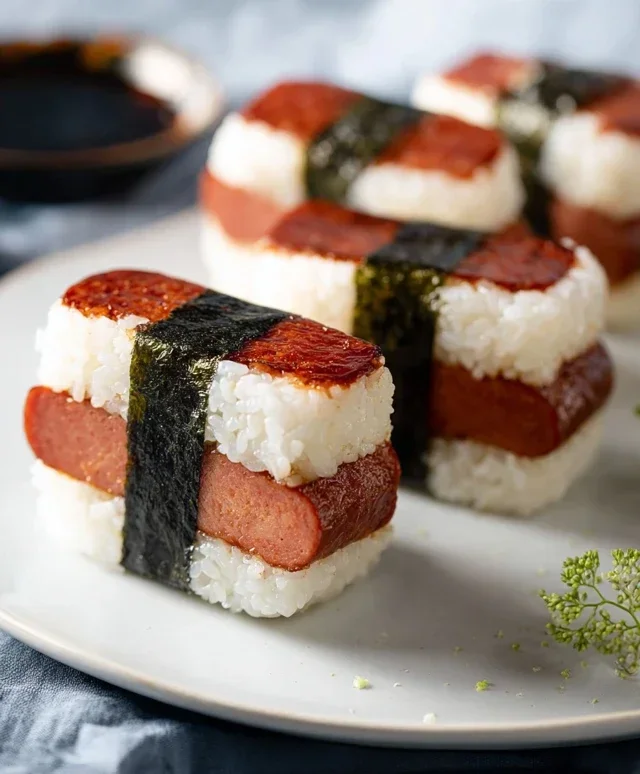
Hawaiian Spam Musubi
The Hawaiian Spam Musubi is an iconic snack, a delightful fusion of Hawaiian and Japanese flavors that has captured hearts and taste buds around the world. It’s surprisingly simple to make, yet incredibly satisfying, making it perfect for a quick lunch, a picnic, or even a party appetizer. Imagin extracte a savory slice of Spam glazed with a sweet and salty sauce, nestled between perfectly seasoned sushi rice and wrapped with crisp nori. It’s a flavor explosion in every bite! I love making these for my family, and they always disappear in a flash. Let’s dive into how you can create this beloved treat right in your own kitchen.
Ingredients:
Cooking Instructions
Let’s get started on crafting these delicious Spam Musubis! The process is broken down into a few manageable steps, focusing on perfectly cooked rice, a delicious Spam glaze, and careful assembly.
1. Preparing the Sushi Rice
The foundation of any good musubi is the rice. Start by rinsing your dry short-grain sushi rice under cold running water. You want to do this until the water runs clear, which removes excess starch and ensures your rice isn’t too gummy. Then, combine the rinsed rice with 2 cups of water in a medium saucepan. Bring it to a boil, then immediately reduce the heat to low, cover tightly, and simmer for about 15-20 minutes, or until all the water is absorbed. Once cooked, let the rice steam, covered, for another 10 minutes. This steaming process is crucial for fluffy, perfectly cooked rice.
While the rice is steaming, prepare the sushi vinegar. In a small bowl, whisk together 2 tablespoons of rice vinegar, 1 tablespoon of granulated sugar, and 1/2 teaspoon of salt until the sugar and salt are completely dissolved. This mixture adds that essential tangy and slightly sweet flavor to the rice. Once the rice has rested, gently fold the sushi vinegar mixture into the hot rice using a rice paddle or a spatula. Be careful not to mash the grains; you want to combine them gently. Continue to fold until the vinegar is evenly distributed. Let the rice cool to room temperature; it shouldn’t be hot when you assemble the musubi. Covering the rice with a damp cloth can help prevent it from drying out as it cools.
2. Glazing the Spam
This is where the magic happens for the Spam! Open your 12 oz can of Spam and drain off any excess liquid. Then, slice the Spam into 8 equal pieces. You want the slices to be about 1/4 inch thick. You can either fry these slices in a pan until golden brown on both sides or, for an even more authentic flavor, grill them. My favorite method is to pan-fry them because it gives you direct control over the crispiness.
In a small skillet, heat a tiny bit of oil if your pan isn’t non-stick, and fry the Spam slices over medium heat until they are nicely browned and a little crispy. Once browned, remove the Spam from the pan and set it aside on a plate lined with paper towels to absorb any excess grease. Now, in the same skillet (you can wipe out any excess grease, but a little is fine), add 2 1/2 teaspoons of soy sauce, 2 tablespoons of granulated sugar, and 1/4 cup of water. Bring this mixture to a simmer over medium-low heat, stirring constantly until the sugar has dissolved and the sauce has thickened slightly into a syrupy glaze. This usually takes about 3-5 minutes. Return the fried Spam slices to the skillet and toss them gently in the glaze until each piece is beautifully coated and sticky. This sweet and savory glaze is what truly elevates the Spam musubi.
3. Assembling the Musubi
Now for the fun part: assembly! You’ll need your cooled sushi rice, the glazed Spam slices, and your prepared nori strips. Many people find it helpful to have a musubi maker, but you can absolutely make these without one. If you don’t have a musubi maker, you can use the empty Spam can as a mold. Clean out the empty Spam can, remove both the top and bottom lids. Then, carefully slide the can onto a piece of plastic wrap.
4. Shaping the Musubi
Start by placing a layer of slightly cooled sushi rice into the Spam can mold, filling it about halfway. Gently press the rice down to form a compact layer. You can use the can lid or your fingers to do this. Then, place one slice of your glazed Spam on top of the rice. Add another layer of rice on top of the Spam, filling the can almost to the brim. Press this layer down firmly to compact everything together. Once you have a well-formed block, carefully lift the Spam can mold up and away, leaving your perfectly shaped musubi base. If you’re not using a mold, you can simply wet your hands slightly and shape the rice into a rectangular block roughly the size of your Spam slice, then place the Spam on top.
5. Wrapping with Nori
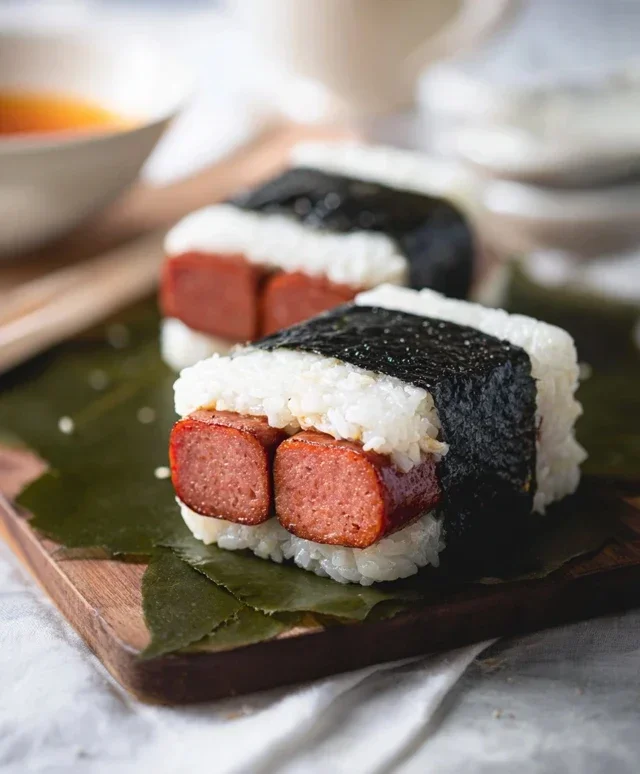
Take one of your 2-inch wide strips of roasted seaweed nori. You’ll want to wrap the nori around the rice and Spam block. If you’re using a musubi maker, the shape will be more uniform. For hand-shaped ones, try to make the rice block a consistent thickness. Place the nori strip so that it wraps around the length of your musubi, with the shiny side facing down. Moisten the end of the nori strip with a little water or a grain of rice to help it seal. Wrap it around snugly, ensuring the rice and Spam are securely encased. The nori should overlap slightly. If you find the nori is not sticking well, a tiny bit of water on your fingertip rubbed along the edge can help.
Repeat the shaping and wrapping process for the remaining Spam slices and rice. You should be able to make about 8 Spam musubis from this recipe. These are best enjoyed fresh, but they also keep well in the refrigerator for a day or two. Just be aware that the nori might soften a bit over time. Enjoy your delicious homemade Hawaiian Spam Musubi!
Conclusion:
You’ve just learned how to create the iconic Hawaiian Spam Musubi, a truly delightful and surprisingly simple snack that embodies the vibrant spirit of Hawaii. This recipe is fantastic because it delivers a perfect balance of savory, salty, and sweet flavors with a satisfying textural contrast between the crispy fried Spam, fluffy rice, and nori. It’s incredibly versatile, making it an ideal on-the-go meal, a picnic favorite, or a unique appetizer for any gathering. The ease of preparation means you can whip up a batch in no time, making it perfect for busy weeknights or spontaneous cravings. I truly encourage you to give this Hawaiian Spam Musubi a try – you won’t be disappointed!
For serving, enjoy your Spam Musubi fresh! They are delicious on their own, but can also be paired with a side of pickled gin extractger or a light soy-based dipping sauce for an extra kick. Think of them as a handheld culinary adventure. For variations, don’t be afraid to get creative! You can try adding a sprinkle of furikake seasoning to the rice, brushing the Spam with teriyaki sauce before frying, or even incorporating a thin slice of tamagoyaki (Japanese rolled omelet) for added richness.
Frequently Asked Questions about Hawaiian Spam Musubi:
Can I make Spam Musubi ahead of time?
Yes, you can! Spam Musubi is best enjoyed fresh, but it can be made a few hours in advance and stored at room temperature. If storing for longer, refrigerate them and reheat gently before serving. Be aware that the nori might soften slightly in the refrigerator.
What kind of rice should I use for Spam Musubi?
Short-grain Japanese rice, also known as sushi rice, is ideal for Spam Musubi. Its sticky texture helps the musubi hold its shape and provides the perfect base for the other ingredients.
Is Spam the only kind of meat I can use?
While Spam is traditional and what gives the musubi its distinctive flavor, you can experiment with other thinly sliced, savory meats like grilled teriyaki chicken or even firm tofu marinated in soy sauce and non-alcoholic mirin. However, for the authentic Hawaiian Spam Musubi experience, Spam is highly recommended!
Hawaiian Spam Musubi
A popular Hawaiian snack featuring grilled Spam and sushi rice wrapped in nori.
Ingredients
-
1 1/2 cup dry short grain sushi rice
-
2 cups water
-
2 tablespoon rice vinegar
-
1 tablespoon granulated sugar
-
1/2 teaspoon salt
-
1 can 12 oz Spam
-
2 1/2 teaspoon soy sauce
-
2 tablespoon granulated sugar
-
1/4 cup water
-
3 sheets roasted seaweed nori (cut into 2 inch wide strips)
Instructions
-
Step 1
Rinse sushi rice until water runs clear. Combine rice and 2 cups of water in a saucepan. Bring to a boil, then reduce heat, cover, and simmer for 15 minutes. Let stand, covered, for 10 minutes. Stir in 2 tbsp rice vinegar, 1 tbsp sugar, and 1/2 tsp salt. Let cool. -
Step 2
Slice Spam into 6 equal pieces. In a small pan, combine 2 1/2 tsp soy sauce, 2 tbsp sugar, and 1/4 cup water. Bring to a simmer and cook until slightly thickened. Add Spam slices and coat evenly with the glaze. -
Step 3
Heat a grill pan or skillet over medium-high heat. Grill Spam slices for 2-3 minutes per side, until caramelized. -
Step 4
Prepare a musubi mold or use an empty Spam can with both ends removed. Line the bottom of the mold with a strip of nori. Place a layer of cooked sushi rice inside the mold, pressing firmly. -
Step 5
Place a glazed Spam slice on top of the rice. Press down firmly. -
Step 6
Wrap the nori strip around the musubi, securing with a few grains of rice if needed. Repeat for remaining ingredients.
Important Information
Nutrition Facts (Per Serving)
It is important to consider this information as approximate and not to use it as definitive health advice.
Allergy Information
Please check ingredients for potential allergens and consult a health professional if in doubt.